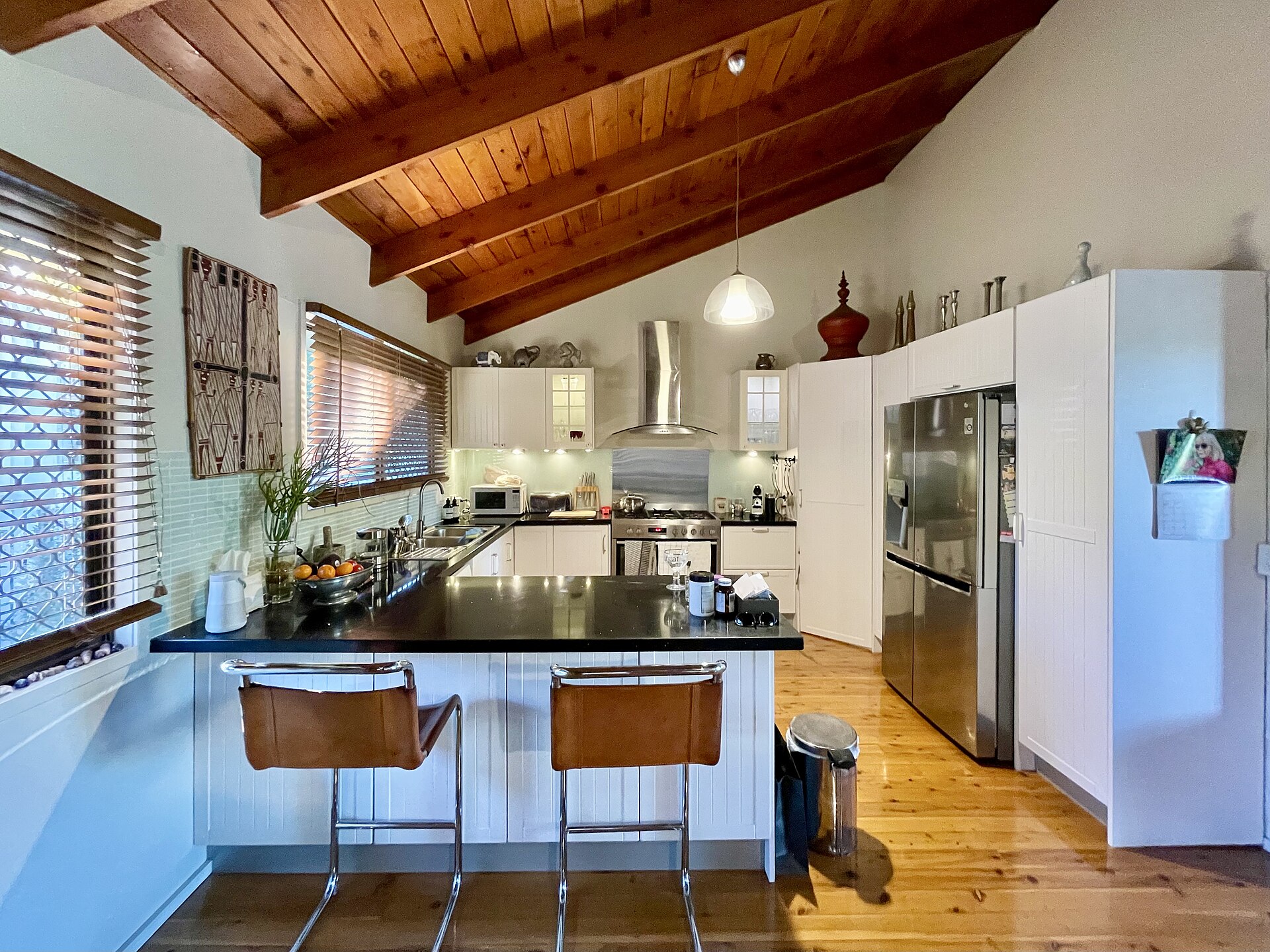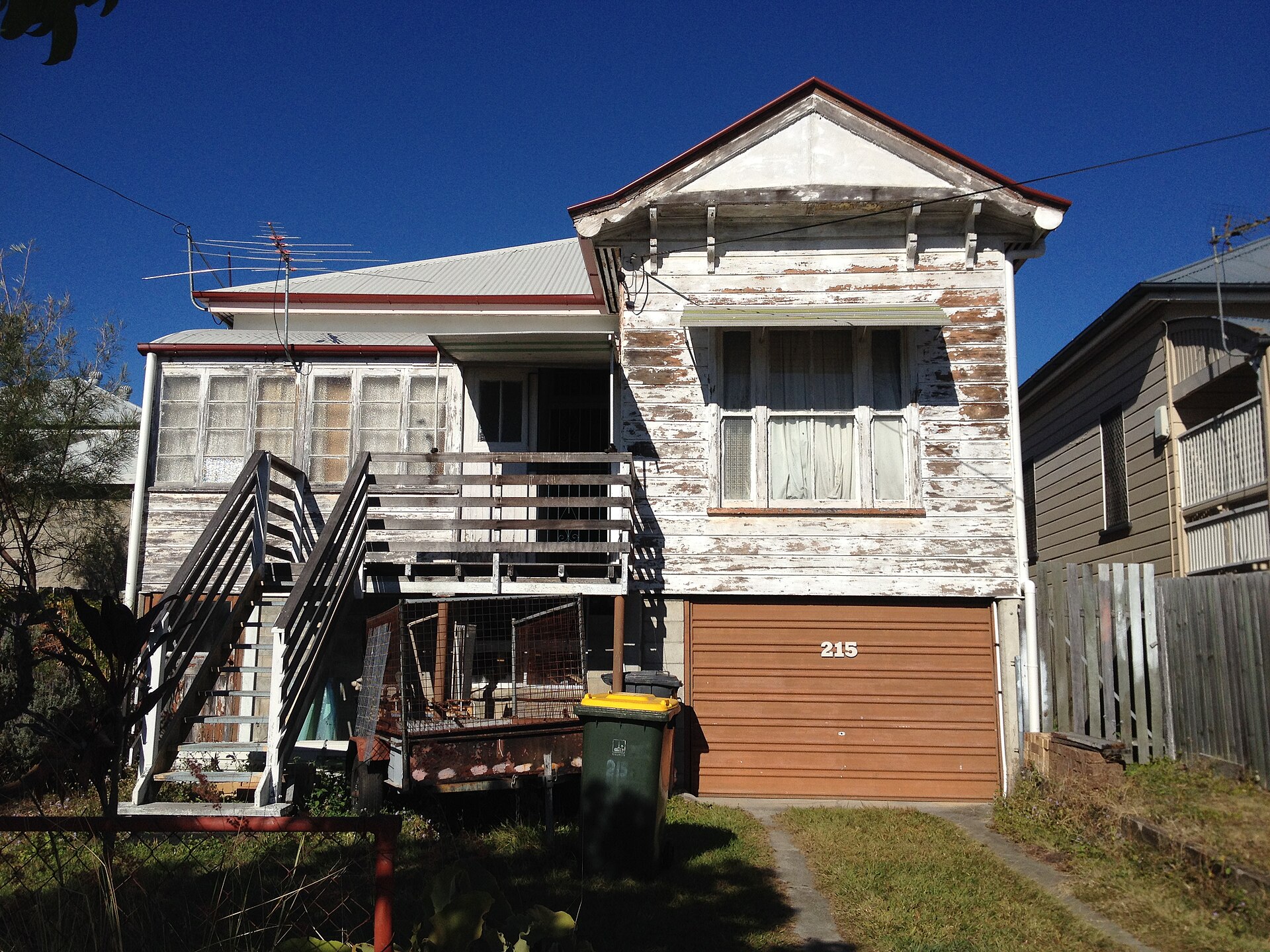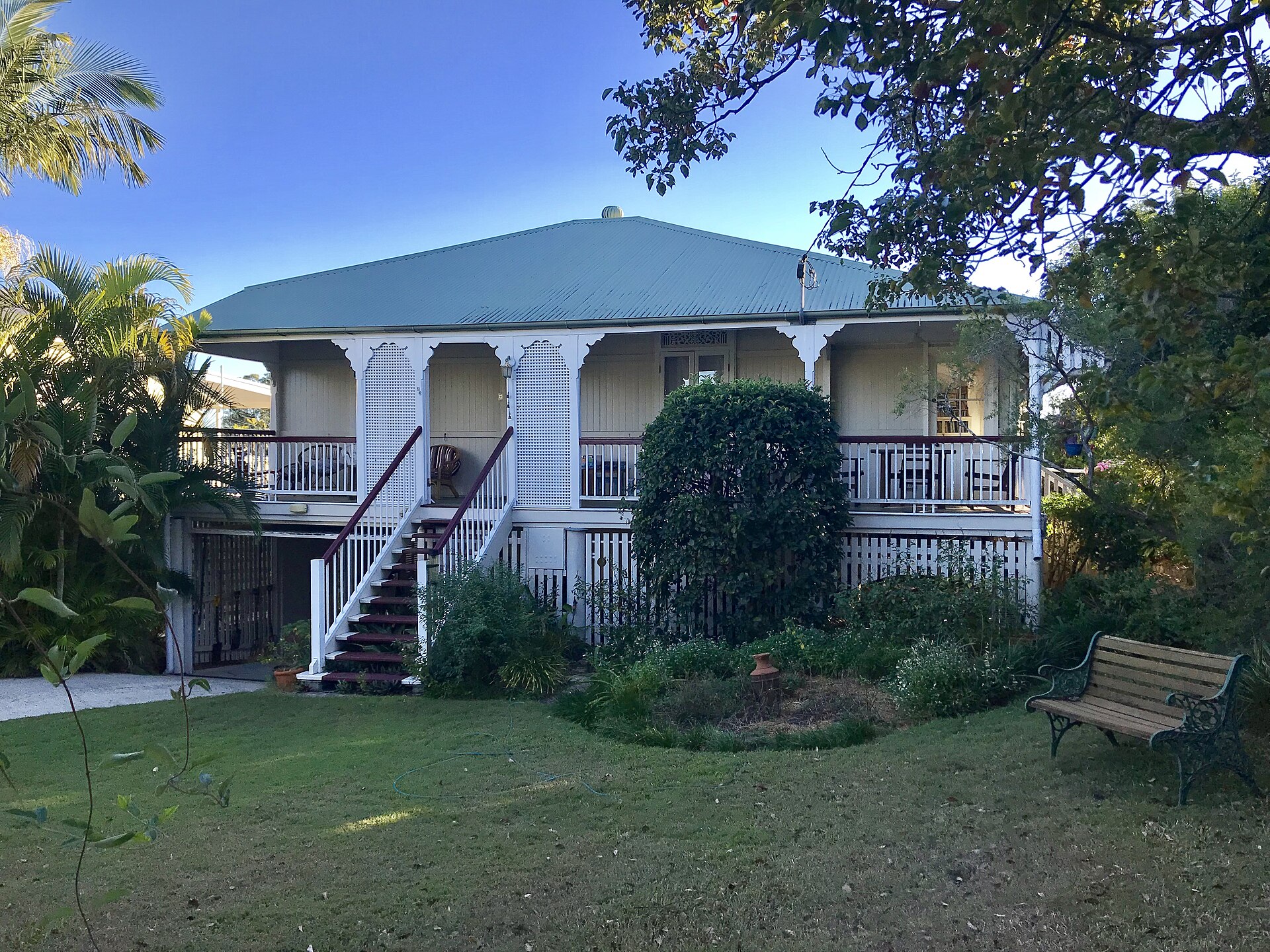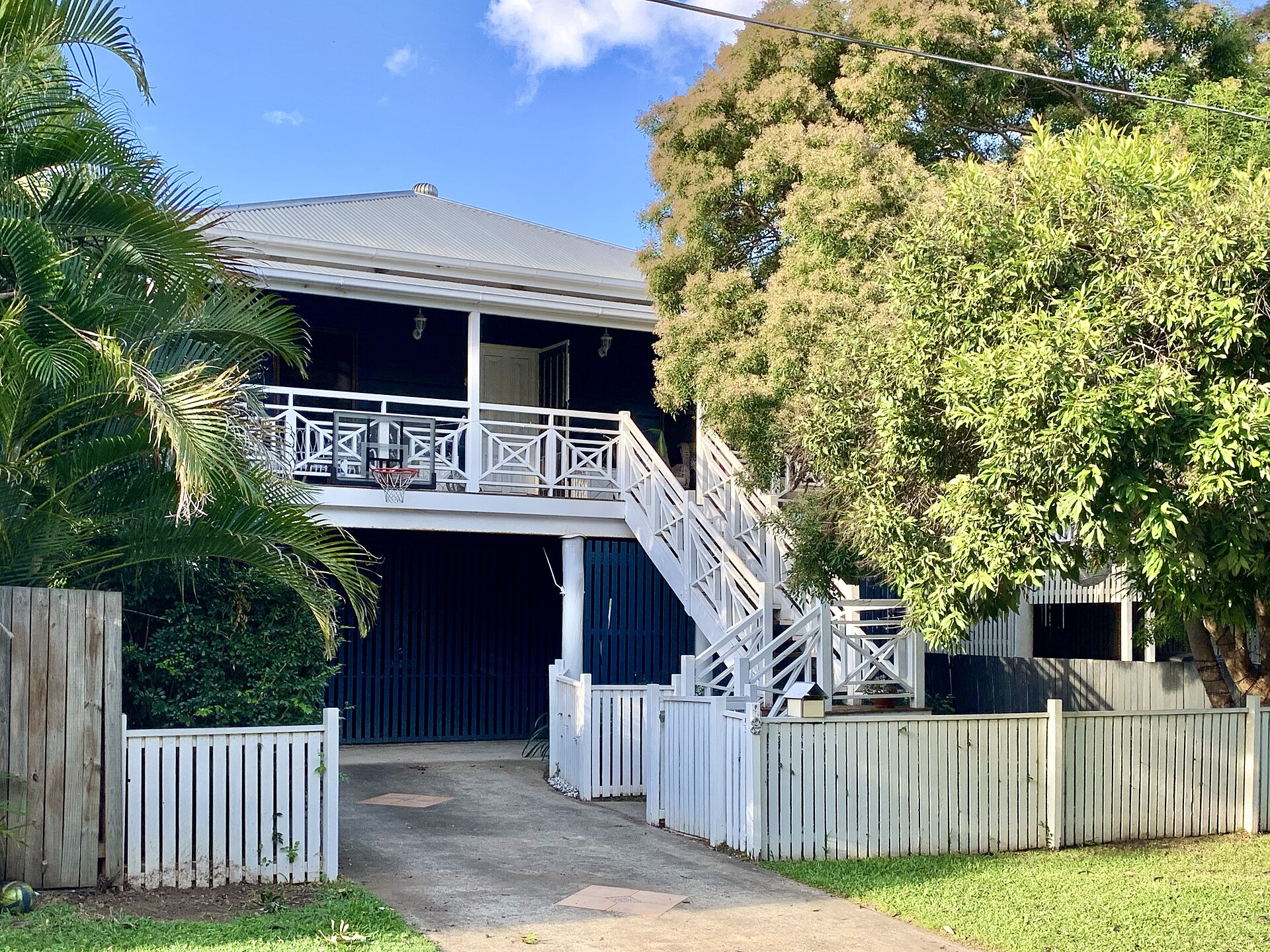
Every few years a Brisbane owner discovers that a corner of the house sounds hollow. The conversation that follows is always the same: surprise, a quote that feels like a second mortgage, and a search for someone to blame. Termites and moisture are not rare events in this climate. They are the climate, applied to timber, plaster and a slab edge that was buried under a well-meant garden.
This is not a product review. It is a way of looking at a house — new or old — so that the first evidence is not a soft floor.
The climate is the brief
South East Queensland is warm, wet and only briefly dry. Timber stays at a moisture content that insects find hospitable. Subfloors that would be dusty in Canberra are tropical terrariums here if the breeze cannot get through. After a flood year or a long wet, even well-built houses need a second look — the same years that send owners back to the overlay maps.
Moisture is the senior partner. Termites follow it. Mould follows it. Rot follows it. A house that stays dry at the edges and inspectable in the dark places is already most of the way to a defence. Chemical treatments and baiting systems are tools, not a personality transplant for a wet detail.
New houses: the certificate is a moment in time
On a contemporary slab house the termite system is installed while the slab and frame are still visible. That is the week to photograph everything. Ask the builder which system is in the specification, where the inspection points are, and what happens if a later landscaper builds a sleeper wall against the edge.
Site classification and drainage belong in the same conversation. A waffle slab that is perfectly poured and then left in a puddle because the yard falls toward the house is a moisture machine. Downpipes that dump onto the ground beside a bedroom wall are not a landscaping afterthought. They are a termite invitation with a warranty period.
Owners of project homes often assume the system is "included" and therefore finished. Inclusions lists are not maintenance manuals. Read the handover pack. If there is no pack, that is a defect of process, not a vibe.
Queenslanders and the romance of the dark subfloor
A raised timber house can be the most inspectable dwelling in the city or the least. The difference is access, light and a clear perimeter. Restumping, raising and enclosing a subfloor for a rumpus are the classic renovation moves. They are also how a breezy undercroft becomes a closed box with a washing machine and a history.
If you enclose, you still need to see. Hatches that a human can actually use. A ground level that does not creep up the stumps. No stored cardboard against bearers. No shower that leaks quietly into the room below for a year because the waterproofing was treated as a tile colour decision.
Lead paint and dust belong to the living-through-it problem. Termites belong to the years after the skip leaves. Budget an inspection at the end of the works, not only at the beginning.
Gardens, paths and the slab edge
The most expensive landscaping in Brisbane is the pretty garden that covers the termite barrier. Soil, mulch, decorative sleepers, a path that bridges the inspection zone — these are how a certified system becomes a rumour.
Keep a visible edge. Keep weep holes clear if you have brick veneer. Keep irrigation from spraying the lower weatherboards. If you want plants against the house, you want a detail that holds them off the wall, not optimism.
On small lots this is harder, because every millimetre of yard is asked to be a garden, a path and a bin store. Harder is not optional. The house still has a perimeter.
Inspections that are worth the invoice
A useful inspection produces photographs, a moisture reading where it matters, and a sentence you can act on. "Evidence of historic activity, no live activity found, recommend moisture work at the south-east corner" is a document. "All good" is a shrug.
Use someone who will go under the house and into the roof space. Rotate inspectors over the years if you like, so that one set of eyes does not become polite. After a renovation, after a leak, after a neighbour’s treatment that sent a colony walking, book again.
If live activity is found, the sequence is usually: stop the moisture if you can, treat according to a written method, then repair. Repairing first is how you decorate a nest.
Contracts, insurance and who pays
A new-home contract should name the termite system. If it does not, you are buying a surprise. Warranty insurance and ordinary home insurance treat pests and gradual moisture in limited, unromantic ways. Read the exclusions before you decide that a policy is a builder.
For owners still choosing a professional, the new homes and renovations desks are the rest of this argument. Termites are not a scare story we run to fill a page. They are the reason a subtropical timber city has a maintenance culture, or does not.
After a wet summer
Brisbane’s bad years are obvious on the river and less obvious in a subfloor. If the grass has been soggy for a month, look at the house the way you would look at a boat: where is water sitting, where is timber dark, where does the air smell closed? A cheap moisture meter is not a diagnosis. It is a reason to ring someone who will crawl.
Owners in the middle of a new build should not wait for handover to think about this. The last month on site is when gardeners and cleaners undo the barrier in the name of presentation. Walk the perimeter the day before you take the keys. If the edge has vanished under soil, the house is not finished, however white the paint.
Leaks that do not look like leaks
A spectacular stain is easy. The expensive moisture is shy: a shower with a hairline failure, a deck that throws water against weatherboards, an air-conditioner drip that trains a stain down a northern wall. Brisbane’s humidity then keeps the timber in the range termites prefer.
If you are living through a renovation, temporary bathrooms are famous for this. A rented plastic tray on a floor that was never meant to be wet will find the nearest bedroom ceiling. Put a person in charge of looking, daily, as if that were a trade.
New houses fail more quietly at first-floor ensuites and at planter boxes that were sold as architecture. If a drawing shows soil against the house as a design move, ask how the water leaves and how the barrier remains inspectable. If nobody can answer, the drawing is not finished.
The renovations and design desks will keep returning to moisture because the climate does. A Brisbane house that stays inspectable at the edges is already a more valuable house than a prettier one that nobody can crawl under. Budget the inspection. Budget the boring detail. The insects will not invoice you first.
Frequently asked questions
Are modern slab-on-ground houses safe from termites?
Safer is not the same as safe. Physical and chemical barriers reduce risk if they are installed and maintained. A garden bed built up over a slab edge can undo a certificate in a season.
How often should a Brisbane house be inspected?
Annual inspections are the ordinary advice, and after a wet summer or a renovation that disturbs the perimeter. The point is a written report from someone who crawls, not a glance from the kerb.
Does timber treatment replace good detailing?
No. Treatment buys time. Detailing — gaps, inspection zones, dry edges, no soil against timber — is what makes a house inspectable.