Ask a Brisbane sales consultant where to build and you will receive a lifestyle paragraph. Ask the crane count and you will receive a different map: Ripley, Springfield, Yarrabilba, Flagstone, parts of Moreton Bay, the Caboolture West conversation, and a scatter of inner-city sites where a house came down last month.
This paper does not rank suburbs. It describes the three machines that produce new houses in South East Queensland, so you can tell which machine you are about to enter. Pair it with buying land in Ipswich and Logan, inner infill and knockdown-rebuild.
The inner machine: scarce dirt, old rules
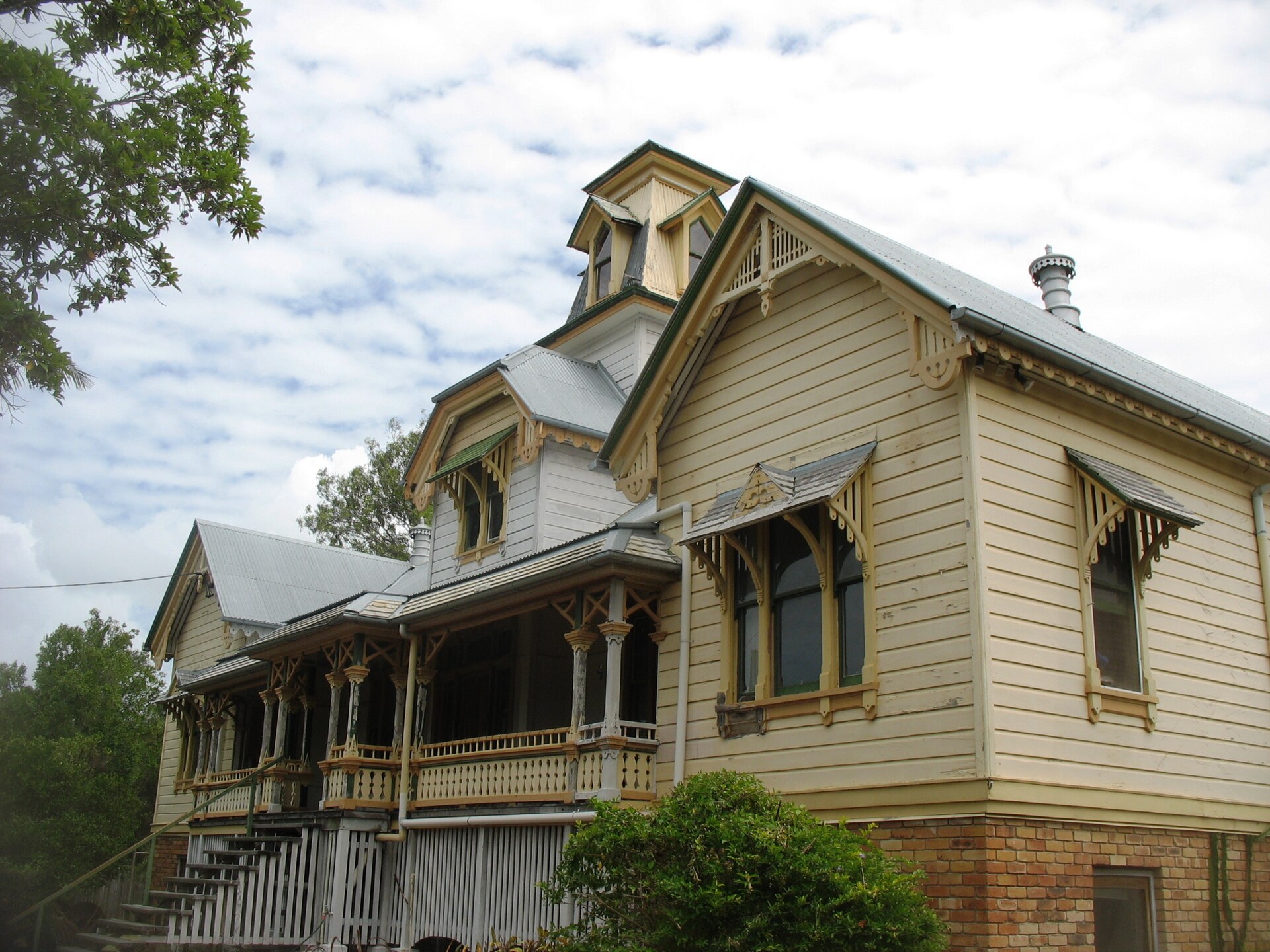
New Farm, Paddington, West End, Woolloongabba, the ridges of the inner north — new houses here are usually replacements or second dwellings, not estates. The lot is narrow. The neighbour is close. The overlay may care about the street more than your kitchen. Construction access is a personality test.
The prize is the existing city: work, river, a walk to a shop that is not a display suite. The cost is every essay on this desk at once — siting, character, slopes, certifiers. If that sounds like a hobby you want, it can be a good life. If it sounds like a weekend you do not have, do not buy the lot because the coffee is good.
The middle-ring machine: knockdown arithmetic
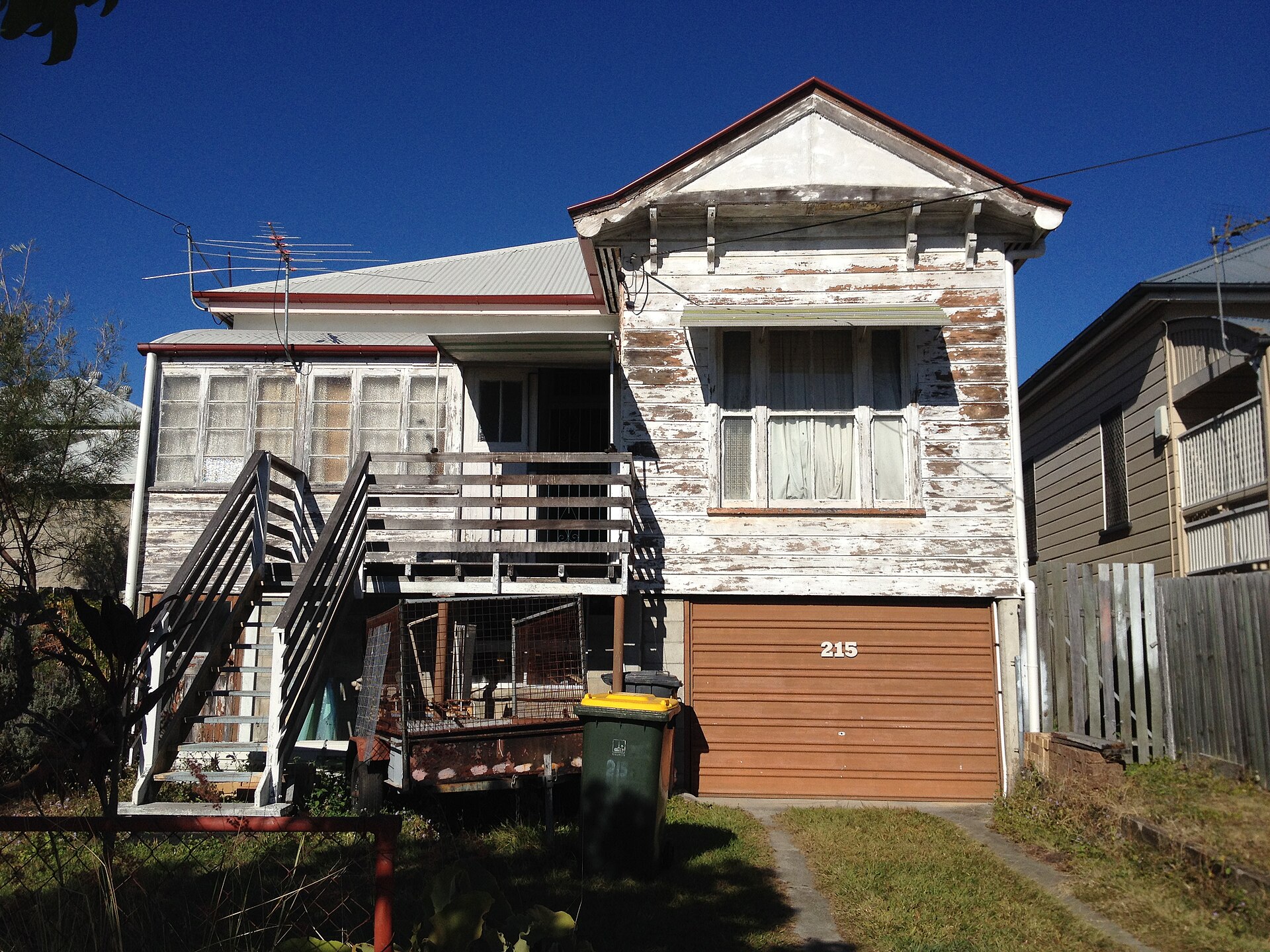
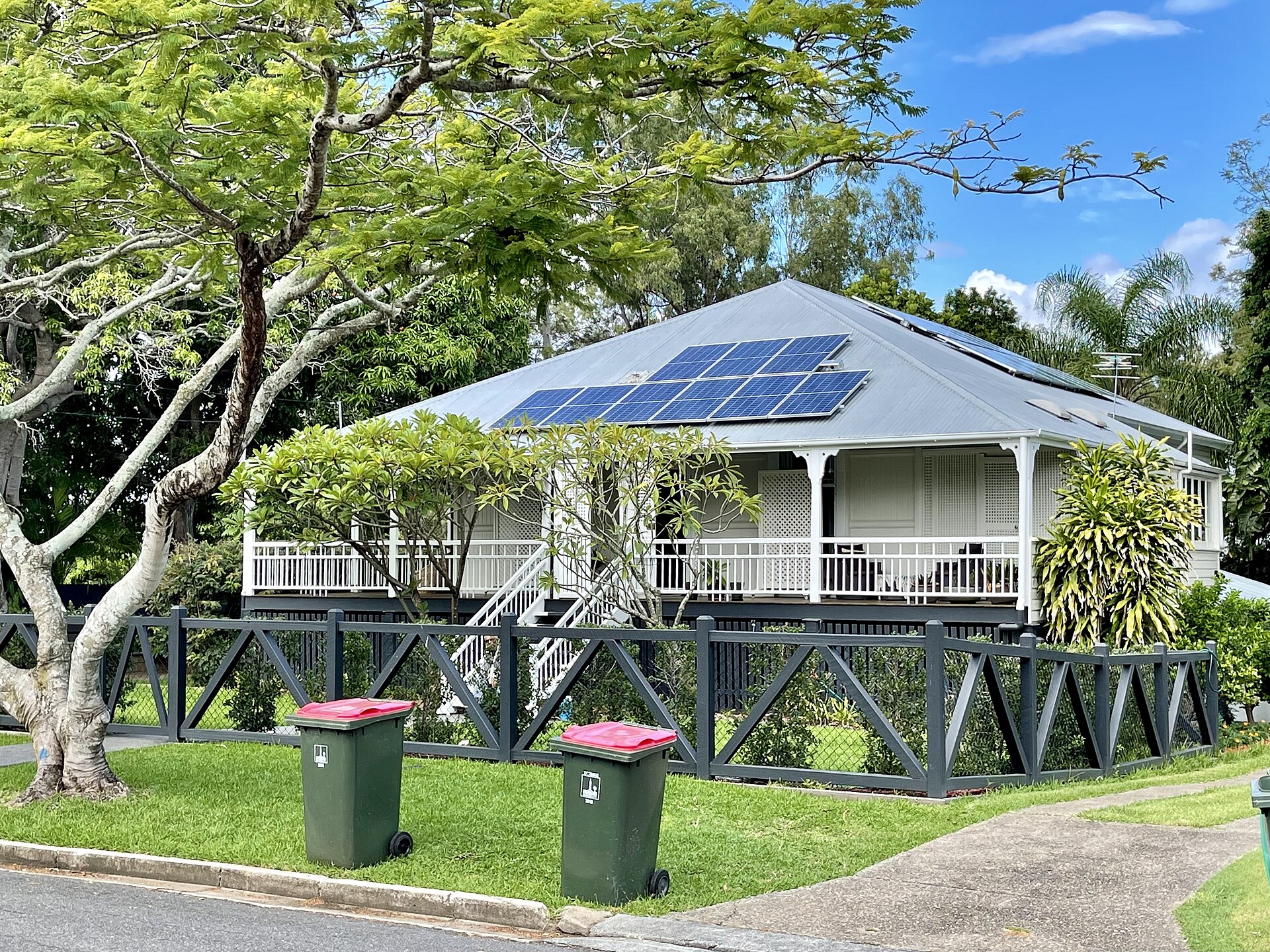
Corinda, Graceville, Sherwood, Holland Park, Mount Gravatt, parts of the northside that still have a 1960s brick house on a 600-square-metre lot — this is where households do the sum: old house plus land versus new house on the same school catchment. Sometimes the sum works. Sometimes the old house is worth more as a house than as a clearing, and the knockdown is nostalgia with a skip.
Overlays here are a mixed bag. Some streets are quiet in planning terms and loud in flood or overland flow. Some have covenants from a forgotten estate. Walk, then read the map, then talk to a builder who has finished a job within a kilometre. A display village on the edge of the city will not know the gully behind the target lot.
The corridor machine: land as a product
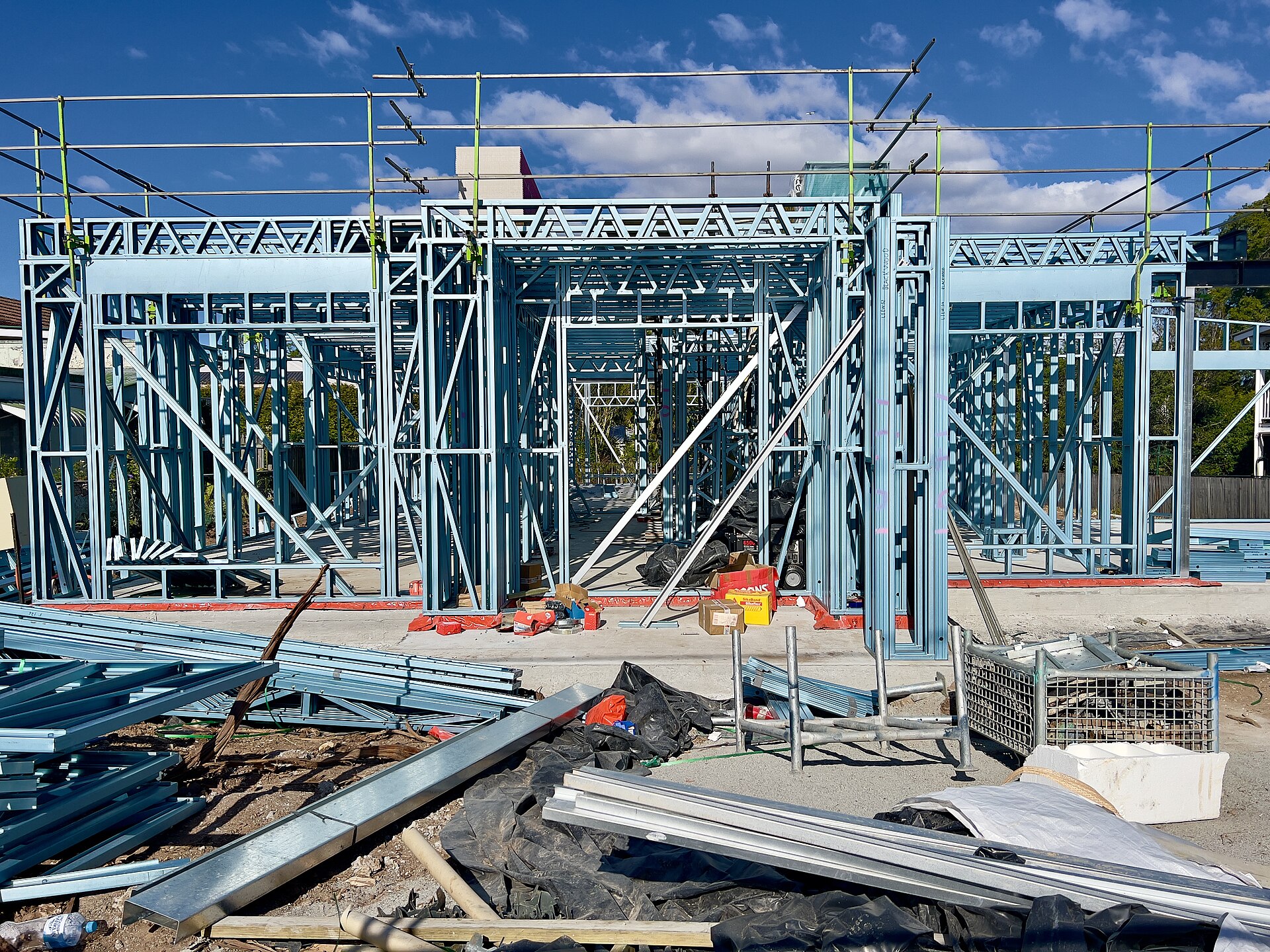
Ipswich’s Ripley valley, Greater Springfield, Logan’s Yarrabilba and Flagstone, Moreton Bay’s new release areas, the long conversation about Caboolture West — this is where most roofs go on because this is where lots are manufactured. The builder’s range fits the lot width. The covenant tells you the fence colour. The school is coming, or it is not, or it is coming two years after your first child.
The prize is predictability if you treat the inclusions list as the house. The cost is distance, a commute that depends on a motorway’s mood, and a landscape that will look unfinished for a decade. Hidden costs in these estates include estate covenants, bonds, and a landscaping package that is not the garden you saw on the billboard.
Filled land, retaining, and a neighbour who has not started yet — these are ordinary. So is a site classification that is not the easy letter the brochure implied. Budget the soil report as a decision tool, not a formality.
Commute, flood, school: the only ranking that matters
Write three sentences before you write a suburb name. Where will the adults work in five years? What does the flood and creek map say after rain? Where do the children actually go to school, not in the marketing, in the enrolment reality?
A house in Chelmer that floods a garage is a different object from a house in Ripley that is dry and forty minutes from the job on a good day. Neither is “best”. The overlay essay and a week of peak-hour driving will tell you more than a listicle.
How to use a suburb shortlist
- Walk at 7.30am and at 6pm.
- Stand on the lot after rain.
- Count the unfinished houses if it is an estate — that is your construction traffic.
- Ask a local principal about enrolment, not a sales consultant.
- Get one builder to walk the lot before you buy it, even if you later use another.
The land and suburbs hub exists because a house is a location with a roof. Pick the location with the same suspicion you bring to a display home. The suburb will not save a bad contract. A good lot will forgive a few ordinary finishes. That is the only ranking this desk will sign.
A note on names that move
Springfield is not one place. Ripley is not one soil. “Southside” is not a planning scheme. Owners buy a brand and meet a pocket: a filled pad next to a gully, a street that looks finished on one side and like a quarry on the other, a covenant that bans the fence they already ordered.
Use estate names as a starting point, then shrink the question to the lot and the two streets that touch it. Speak to someone who has lived through a summer there, not only a winter open home. Ask where the water went in the last big rain. Ask which shop is actually open on a Sunday. Ask how long the builder’s last job on that estate sat waiting for a frame because the same supervisor was running twelve others.
If you are still deciding between a corridor lot and an inner knockdown, write the true project price for both — land plus house plus holding costs plus the yard — and sit with the number for a week. The suburb that remains after that week is the one you can afford to be wrong about in a small way. That is as close as this city gets to “best”.
Acreage on the fringe is a fourth machine, and it pretends not to be a suburb at all. It is. The shop is further, the fire overlay is closer, and the services are a private invoice. Include it in the same spreadsheet or admit you are buying a different life, not a cheaper version of Coorparoo.
Frequently asked questions
Which Brisbane suburb is best for a new build?
None, as a slogan. The right place is a lot that can take the house you can afford, with a commute, a flood story and a school story you can live with. Rankings are how display villages sell a weekend.
Are the growth corridors only for first-home buyers?
No. They are where land still appears in quantities that match a production builder’s machine. Plenty of second-home and upsizer households build there because the inner-city knockdown arithmetic no longer works for them.
Is an inner-city small lot a better investment?
Sometimes, if you can actually build what you think you are buying. Character overlays, parking and construction access eat dreams. Read the infill essay before you treat a 10-metre frontage as a boutique opportunity.