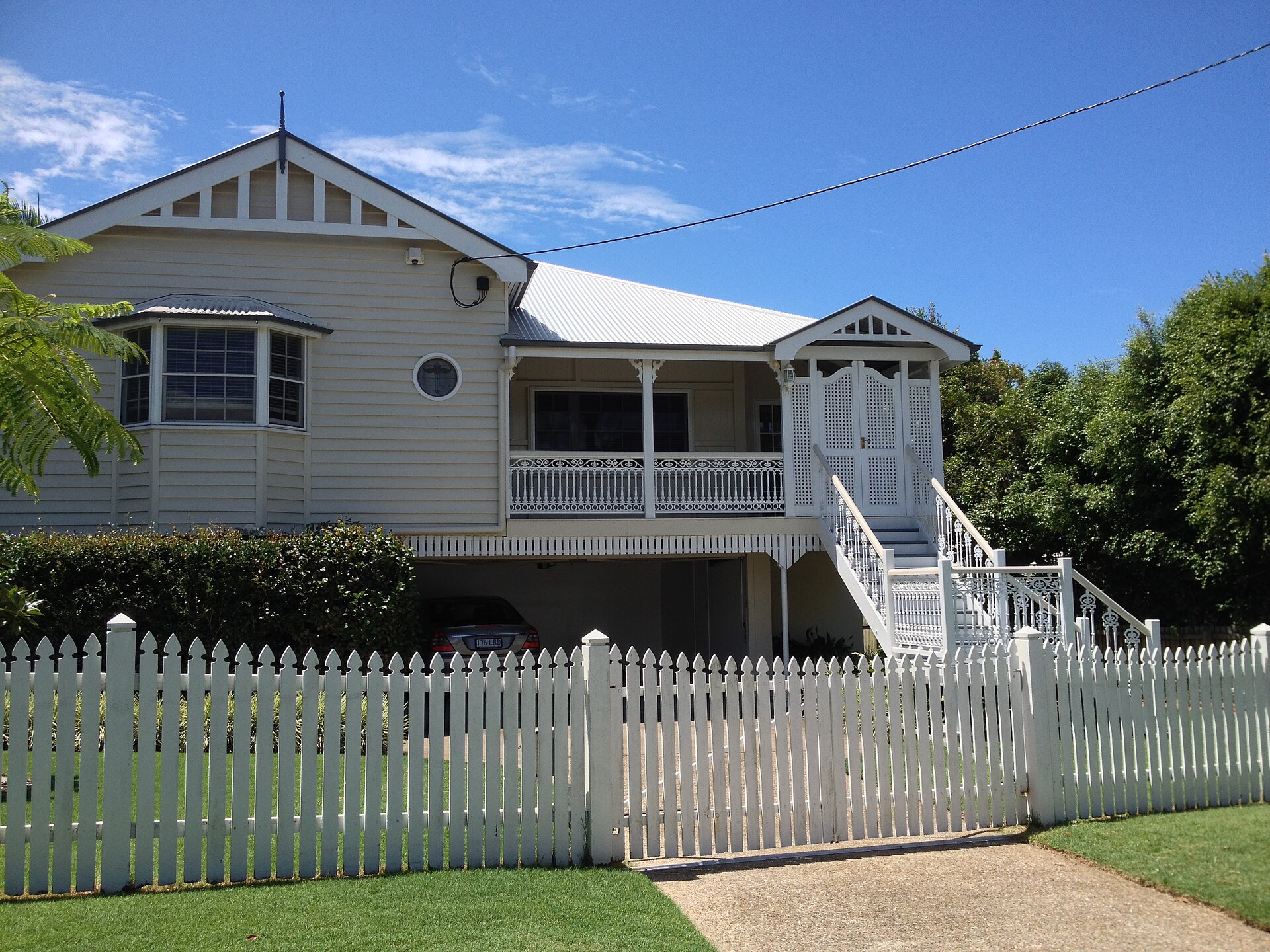
Handover photographs on social media are almost always a lie of framing. The camera points at a facade and a path of temporary plywood. Out of shot is a clay paddock, a silt fence, and a neighbour’s paling that now stops in mid-air because the ground changed. Owners feel ambushed. The contract did not promise a Chelmer garden. The display home did, silently.
This piece sits with the hidden costs and the week-by-week guide. It is about the month after the keys, when the house is legally a house and the lot is still a civil-engineering problem.
What practical completion does not include
Practical completion is about occupation of the dwelling. It is not a certificate that the block is liveable in a family sense. Fencing, turf, irrigation, a clothesline that is not a temporary pole, letterbox, bins, a path that does not become a clay slide — these are frequently owner works. Some builders sell a “driveway and turf” package that still leaves the sides as a red ditch.
Ask for a site plan that shows finished ground levels, not only the floor level. On a slope this is the whole job. A house that is perfect and a yard that falls toward the laundry door is a moisture claim waiting for its first January.
If retaining was a variation, get the engineering and the drainage behind the wall in the handover pack. Walls without a way for water to leave become expensive sculpture.
Termite edges and the helpful gardener
The fastest way to void a new termite system is to celebrate handover with a garden bed against the slab. Soil, mulch and sleepers are not decorations in a subtropical city. They are cover.
Show the landscaper the inspection zone. Write it into their quote. If they cannot work with a visible edge, they cannot work on a new Brisbane house.
Driveways, crossovers and the Council verge
A driveway that looks finished on the private lot and dies at a broken verge is a negotiation with Council and, on estate lots, with the developer. Ipswich and Logan estates have covenants about letterbox design and fence type that owners treat as optional until a bond is withheld. Read the covenant the week you read the house inclusions.
Crossovers, stormwater connections and the last four metres of path are where “the builder does that” and “the owner does that” swap places in conversation. Put the answer in the contract before the slab, not after the skip leaves.
Living with clay for a summer
South East Queensland clay moves. New lots in particular slump and crack as fill settles and as you start watering a lawn because the dust is unbearable. Do not pour decorative concrete paths in week one if the ground is still a construction pad. Temporary gravel that you can re-level is not a failure of taste. It is patience.
If you have children or a dog, budget a fence that meets the actual ground, not the ground on the sales plan. Pool fencing, if a pool is coming, is a separate statutory universe. Do not improvise it.
A handover yard list
- Finished levels around the slab, photographed.
- Downpipe discharge points that do not flood a bedroom wall.
- Termite inspection edge visible.
- Fencing and gates that work.
- A path from the street that a pram can use in rain.
- Crossover and verge responsibility named.
- A landscaping quote that includes drainage, not only plants.
Stormwater is not a garden style
A surprising number of new Brisbane houses pass a final inspection and then wet the neighbour’s yard every time it rains. That is not a landscaping aesthetic. It is a civil problem with a legal aftertaste. If your lot was filled, or if the estate’s inter-allotment drain is a rumour, get someone who reads levels to walk the block before you order plants.
On small inner lots there is often no room to hide a mistake. A 150-millimetre error at the slab edge becomes a permanent indoor-outdoor shower. On acreage the mistake is longer: a swale that was never built, a dam overflow that was never discussed, a driveway that becomes a creek. The land desk is full of versions of this story.
Ask the builder, in writing, where roof water goes after it leaves the tank or the kerb adaptor. Ask whether the yard is meant to be shaped by them or by you. If the answer is “the landscaper will sort it”, you do not yet have an answer. You have a future invoice.
Fences, privacy and the first argument
Dividing fences sit in their own Queensland statute and in the ordinary psychology of two tired households. A new house next to an old house changes the overlooking. A new house next to another new house becomes a negotiation about who pays for a decent paling before either family can dry washing in private.
Do not assume the builder’s temporary fence is a gift you get to keep. Do not assume a covenant-required colourbond fence is optional because you prefer timber. Estate covenants are dull until a bond is on the line. Neighbours are dull until a survey peg is under a skip.
If overlooking is the real issue, a fence will not fix a two-storey void that should have been a highlight window. That fight belongs earlier, in siting and in the drawings. The yard can only do so much.
A summer experiment
Live through one proper Brisbane storm before you freeze the garden in concrete and stone. Watch where water sheets. Watch which door becomes the family entrance because the formal path is a skating rink. Watch whether the alfresco is usable or just a wet stage. Then spend the landscaping money.
The new homes desk ends, for most households, not at the keys but at the first weekend they can walk around the house without mud. That weekend is a project. Price it. The design of the outdoor room can wait until the ground has told you the truth. If you want help telling that truth in public, the write for us page explains how owners send this desk a letter with the receipts still attached.
Frequently asked questions
Is landscaping usually included in a Queensland new-home contract?
Often only in a token way — a few metres of turf, a single tap, a driveway that stops short of useful. Read the inclusions. Do not judge the job by the display village garden.
Who is responsible for drainage in the yard?
The house must shed water lawfully. The finished ground levels around the slab are part of that story. A landscaper who then bowls the lawn toward the walls can undo a competent build. Write the levels down.
Should I landscape before or after the maintenance period?
Do the work that protects the house — drainage, paths at the right height, no soil against the termite edge — early. Do the decorative work when you can still see what the first summer does to the ground.